Laboratory Services
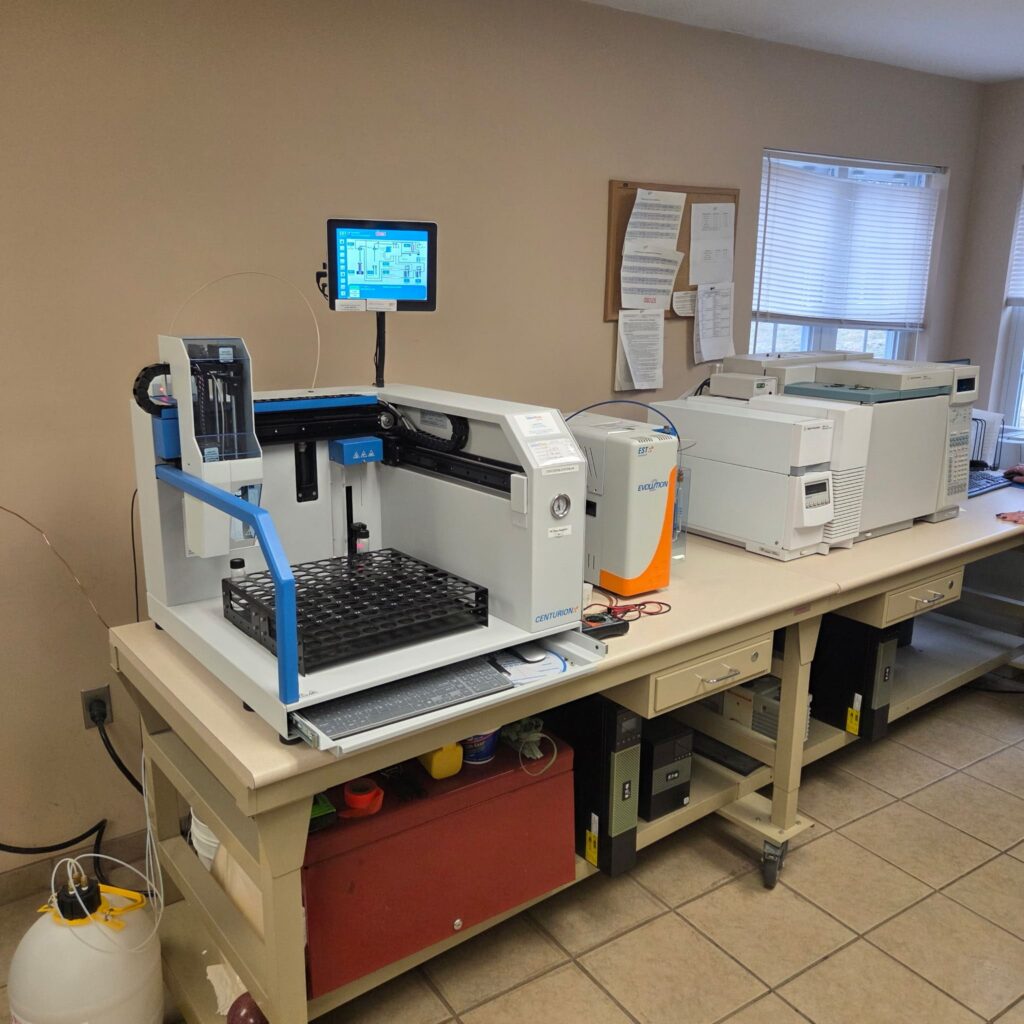
MEA’s laboratory has been serving the environmental testing needs of private sector clients, as well as government entities, for over 30 years. As one of the first laboratories in the Commonwealth of Pennsylvania to obtain state accreditations, MEA continues to deliver the highest quality laboratory testing services available to the regulated community. We have an established history of generating high quality data delivered on time in an approved report format and in full compliance with various regulatory requirements. We are accredited in US EPA Method 8260B for volatile organics.
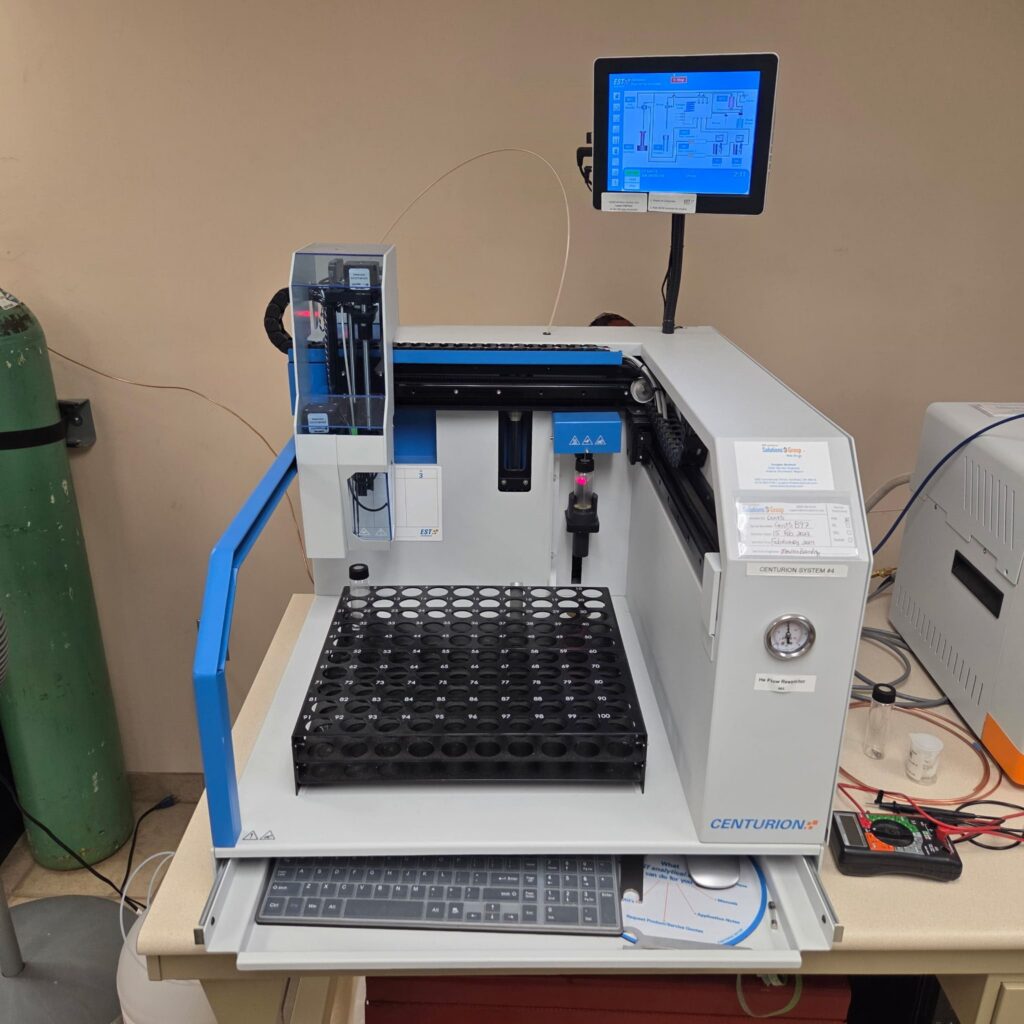
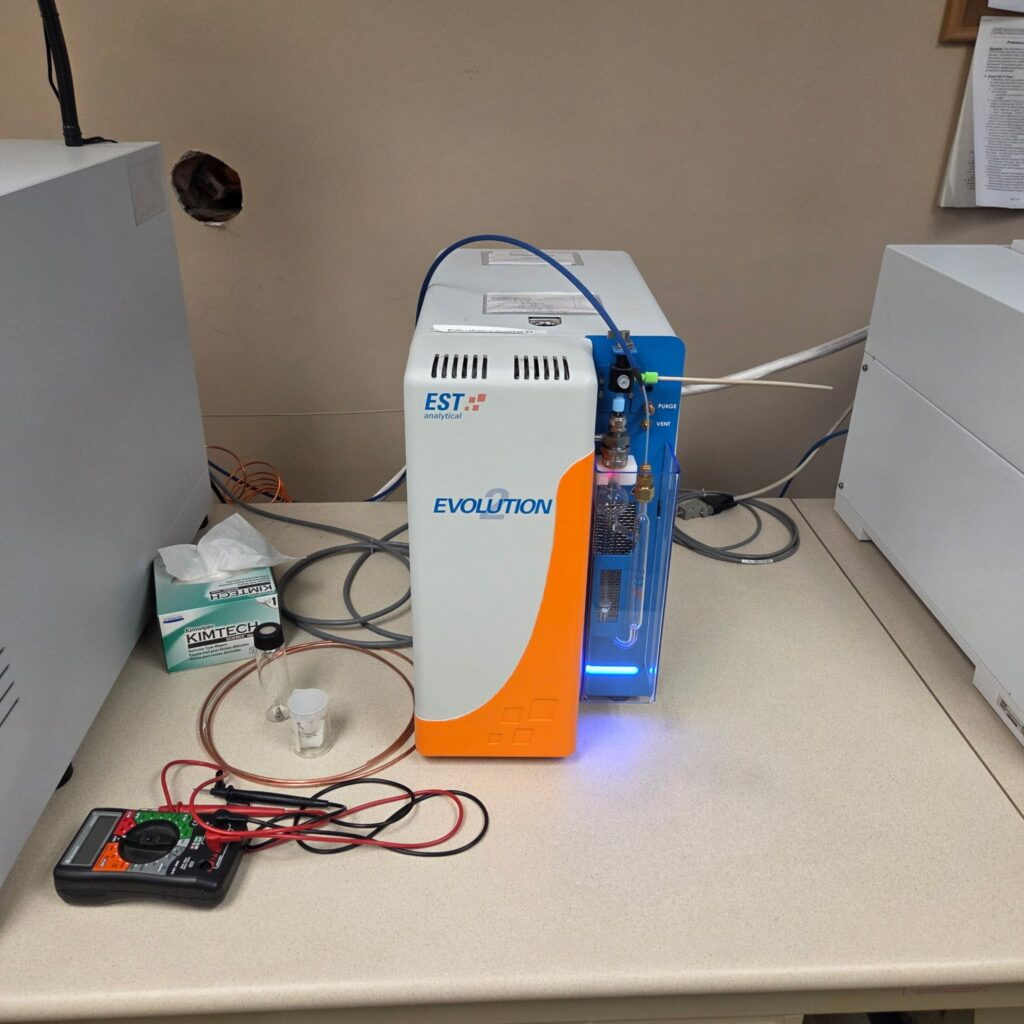
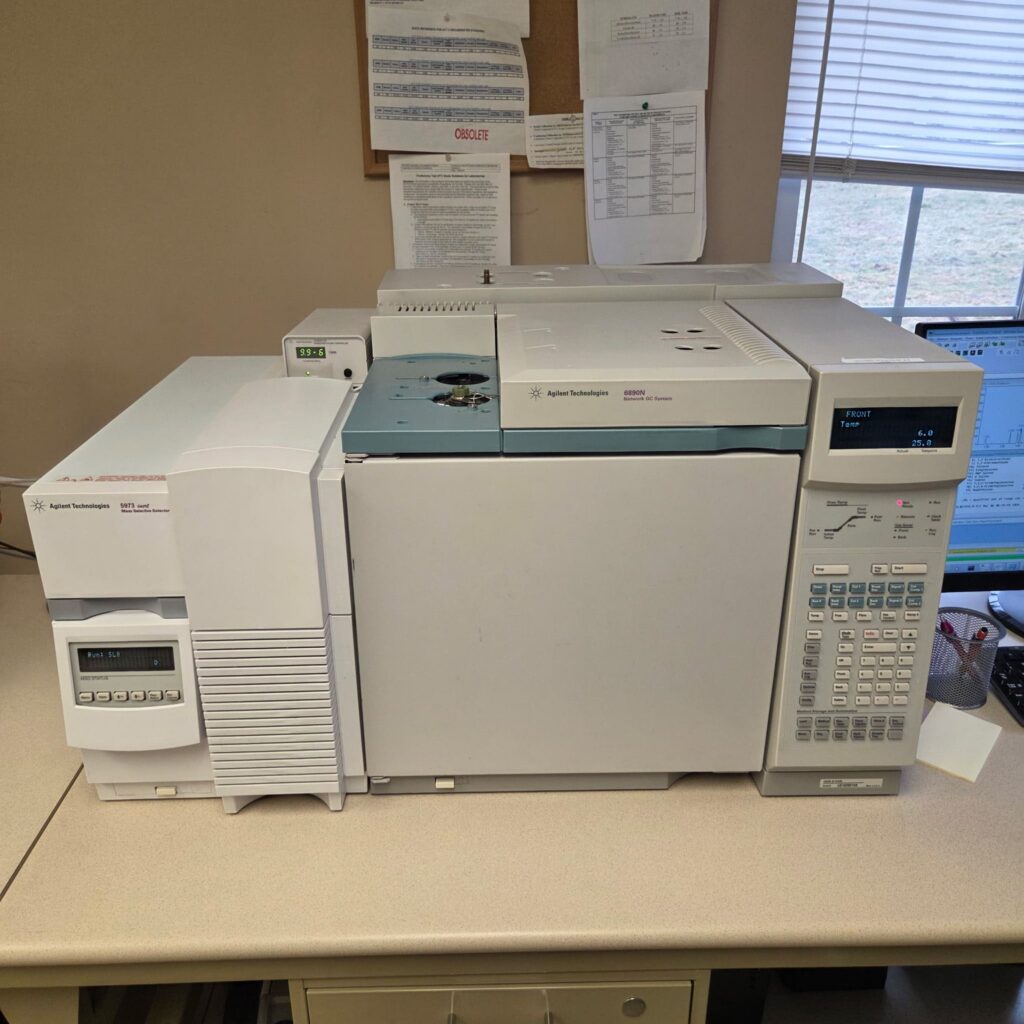
MEA’s laboratory specializes in gas chromatography/mass spectrometry (GC/MS) analytical techniques as determinative methods for all regulated organic compounds related to petroleum (unleaded gasoline, diesel, kerosene). GC/MS is the analytical technique of choice for these target analytes due to the high degree of specificity in terms of identification, as well as quantitative analysis, and required reporting limits for the analysis of soil and groundwater samples.
Laboratory chemists utilize the separation technologies of gas chromatography and the highly selective techniques of electron impact ionization to obtain mass spectra of individual organic compounds in order to fingerprint a fuel source. These fingerprints, or unique chemical signatures, serve as critical pieces of forensic data leading to the identification of pollution sources. This data is also instrumental in helping with the characterization of migration pathways in the subsurface. MEA’s analytical scientists can also use sample chromatographic profiles to estimate the time of a fuel release.